
Weight Lifting Basics: Maximizing Strength, Fat Loss & Hormone Response
Regardless of your goal—building muscle, shedding body fat, preventing injuries, or improving speed and endurance—resistance training is the single most effective tool you can use.
Starting your workouts with a compound lift is one of the most effective ways to accelerate both muscle growth and fat loss by directly tapping into your body's endocrine system.
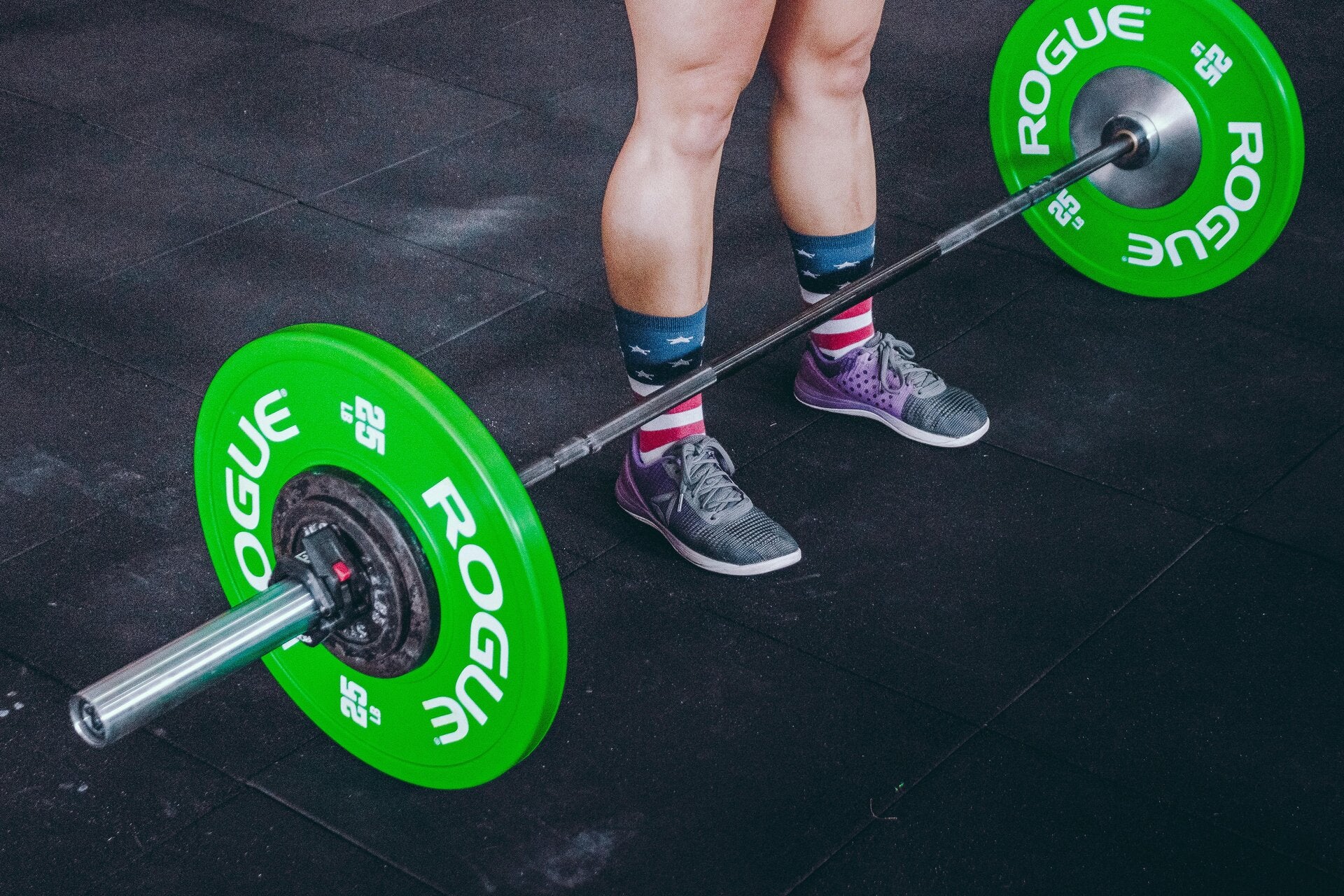
Multi-joint exercises like squats, deadlifts, and heavy presses engage massive amounts of muscle mass under high mechanical tension, triggering a potent systemic release of key anabolic hormones—primarily Growth Hormone and Testosterone.
By placing these demanding movements at the very beginning of your session when your energy and central nervous system are freshest, you maximize this hormonal output, setting an optimal physiological foundation that enhances muscle tissue synthesis and drives efficient fat metabolism throughout the rest of your routine.
1. The Hormonal Advantage: Unleashing Growth Hormone & Testosterone
To maximize muscle growth, strength, and fat loss, your training needs to trigger an optimal anabolic hormone response (primarily Growth Hormone and Testosterone).
-
Compound Movements drive Hormonal Output: The body releases key growth hormones in direct response to the amount of total muscle mass recruited under heavy, intense strain.
-
The Big Hormonal Drivers: Squats, Deadlifts, and high-intensity Sprinting engage the largest muscle groups in the body (glutes, quads, hamstrings, and spinal erectors). Prioritizing large compound lifts yields a significantly higher systemic hormone response than isolation exercises alone.
-
A Note for Women: Weight training will not make women overly bulky. Women possess significantly lower baseline testosterone levels than men, making natural hypertrophy controlled. Instead, lifting builds lean muscle tissue, which burns more calories at rest and occupies one-third the volume of fat weight.
2. Master the Core Movement Patterns
-
Quad Dominant (A1)
-
Primary Compound Movements: Back Squat, Front Squat, Lunges, Bulgarian Split Squat
-
Hormonal & Muscle Impact: High (requires massive leg and core recruitment)
-
-
Hip Dominant (A2)
-
Primary Compound Movements: Conventional Deadlift, Romanian Deadlift, Kettlebell Swings, Hip Thrusts
-
Hormonal & Muscle Impact: High (drives full posterior chain engagement)
-
-
Horizontal Push (B1)
-
Primary Compound Movements: Push-ups, Flat/Incline Bench Press, Dips
-
Hormonal & Muscle Impact: Moderate–High (targets chest, shoulders, and triceps)
-
-
Horizontal Pull (B2)
-
Primary Compound Movements: Bent-over Rows, Seated Cable Rows, Single-arm Rows, Face Pulls
-
Hormonal & Muscle Impact: Moderate–High (builds upper back, lats, and improves posture)
-
-
Vertical Push (C1)
-
Primary Compound Movements: Overhead Shoulder Press, Push Press, Handstand Push-ups
-
Hormonal & Muscle Impact: Moderate (strengthens deltoids and demands core stability)
-
-
Vertical Pull (C2)
-
Primary Compound Movements: Pull-ups, Chin-ups, Lat Pulldowns
-
Hormonal & Muscle Impact: Moderate–High (targets lats, upper back, and biceps)
-
-
Core & Trunk Stability
-
Primary Compound Movements: Planks, Pallof Press, Woodchops, Back Extensions
-
Hormonal & Muscle Impact: Essential for transferring force safely and protecting the spine
-
Rule of Thumb: Equalize your pushing and pulling volume (e.g., match every horizontal push exercise with a horizontal pull exercise) to protect joint health.
3. Key Form & Execution Guidelines
-
Squats & Quad Dominant: Push through your mid-foot/heels. Brace your core tightly to keep a neutral pelvis, ensure your knees track in line with your second toe, and drive your hips forward to lock out at the top.
-
Deadlifts & Hip Dominant: Load through your mid-foot while keeping your chest up and core braced. Maintain a slight pinch between your shoulder blades and drive through your glutes—do not arch your lower back.
-
Upper Body Pressing: Keep your shoulders back and down. Tuck your elbows below shoulder height to protect your rotator cuffs, and avoid excessive lower-back arching.
-
Upper Body Pulling: Drive the movement by pulling your shoulder blades back and down—imagine squeezing a pencil between your back muscles throughout each rep.
4. Programming for Specific Goals
Different Repetition Ranges and Time Under Tension (TUT) trigger distinct physiological adaptations:
Goal: Time Under Tension (per set)Repetition Range & Recommended Sets
Maximum Muscle Strength
1–20 seconds
1–6 reps
3–5 sets
Muscle Building (Hypertrophy)
30–70 seconds
6–15 reps
3–4 sets
Muscular Endurance
70+ seconds
20+ reps
2–3 sets
Understanding Tempo (e.g., 3-0-1-0)
-
3 seconds: Lowering phase (eccentric—controls muscle damage and hormone response).
-
0 seconds: Pause at the bottom.
-
1 second: Exploding back up (concentric—recruits fast-twitch muscle fibers).
5. Smart Training & Progression
-
Prioritize Heavy Compound Lifts First: Always perform squats, deadlifts, and heavy presses at the beginning of your workout when energy levels are highest to maximize growth hormone output.
-
Save "Mirror Muscles" for Last: Biceps, triceps, and lateral raises should be placed at the very end of your session so they don't fatigue before your compound lifts.
-
Use Super-Sets to Save Time: Pair non-competing muscle groups (e.g., a DB Bench Press immediately followed by a Single-Arm Row). This keeps your heart rate elevated and allows you to rest productively between sets.
-
Focus on Progressive Overload: Do not chase ego weights. Start with a weight you can control with strict form, then gradually increase resistance or volume over time.
Ready to Transform Your Strength & Hormonal Response?
Executing compound movements with proper tempo and intensity is the ultimate key to triggering peak growth hormone release and building functional strength. At The Office Gym Club North Cornwall (we're just outside Padstow and within reach of Wadebridge or St. Columb) , we provide everything you need to master squats, deadlifts, and heavy resistance training safely and effectively. Whether you are looking to boost your athletic performance, accelerate fat loss, or elevate your overall fitness, taking control of your training starts with the right environment.
Take the next step in your strength journey—join The Office Gym Club today and buy your membership online to start optimizing your workouts.
Add comment
Comments